

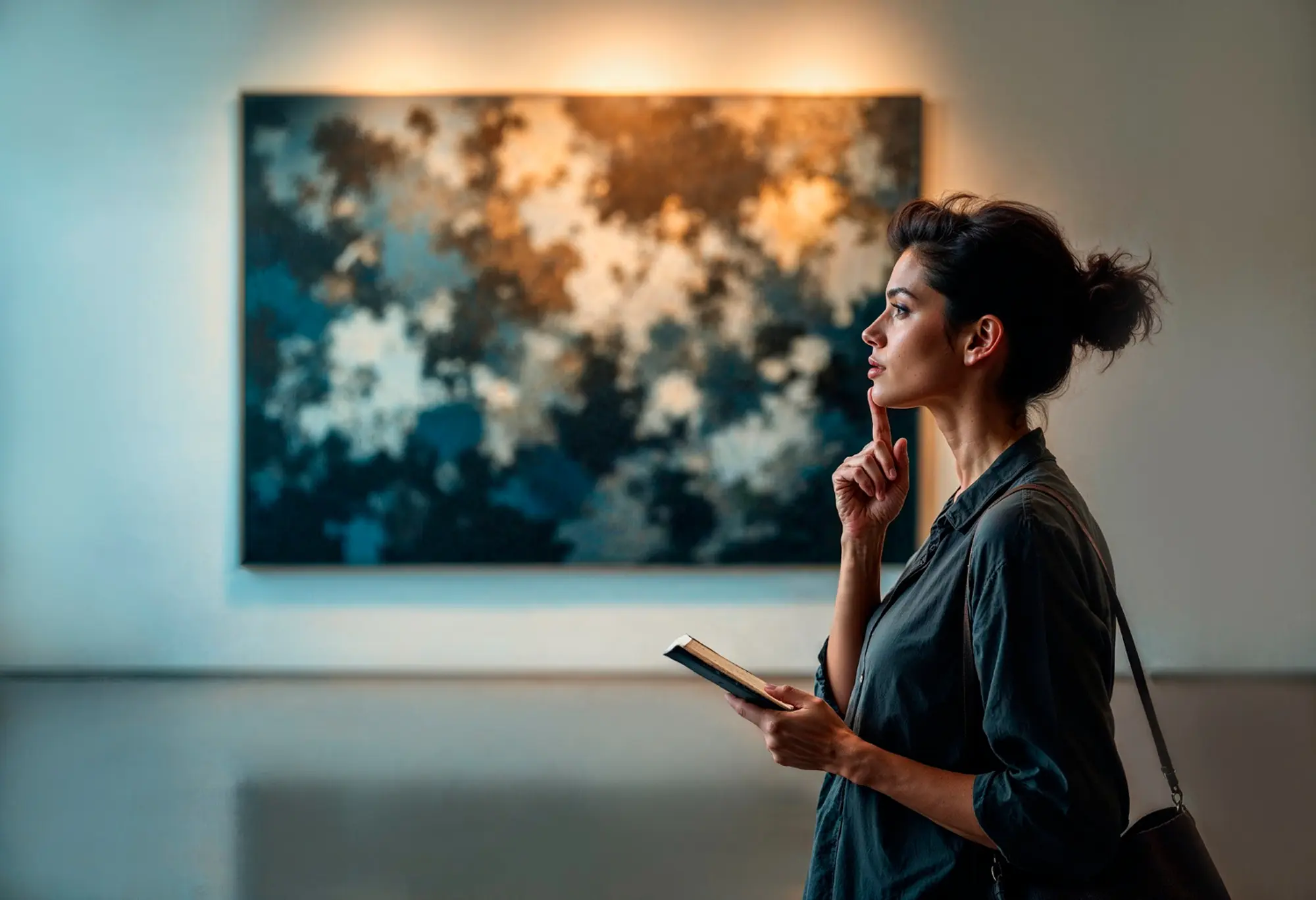
Art is often seen as something reserved for galleries, museums, and creative spaces. Yet, in reality, it surrounds us more than we realize. From the design of everyday products to the visual choices in our homes and workplaces, art quietly influences how we feel and how we interact with the world.
Colors, for example, set emotional tones. Warm palettes can create comfort, while cooler tones bring clarity and focus. Typography, layout, and imagery also affect how we absorb information and navigate spaces. These design choices guide our attention and shape our perception in subtle but powerful ways.
Art can also support emotional well-being. A single image, sculpture, or piece of music can shift our mood, evoke memories, or inspire motivation. It creates moments of pause inside an otherwise fast-paced routine.
In many ways, art acts as a companion to daily life. It encourages reflection, adds beauty to ordinary moments, and brings a sense of meaning to the spaces we inhabit. Recognizing its influence makes us more aware of the creative decisions shaping our environment—and more appreciative of the artists behind them.